
School House
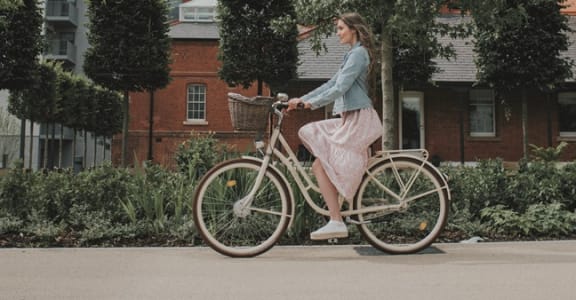
2The foundations of this building probably date back to the establishment of the barracks in 1797. It appears to have originally been built as stables, with rooms above accessed by an external staircase. By the 1830s there was a schoolroom upstairs and on the Ordnance Survey map of 1847 it is marked as a schoolhouse with stables on the ground floor.
The original building was largely demolished in the mid-1800s and replaced with the current building. In the early 1900s the upper floors were used as military married quarters and the ground floor as a coach-house and stables. More recently the building was used as a security office for the barracks’ main gate. The walls are built of brick and limestone, which is visible on the rear wall of the building.
Families in the Army
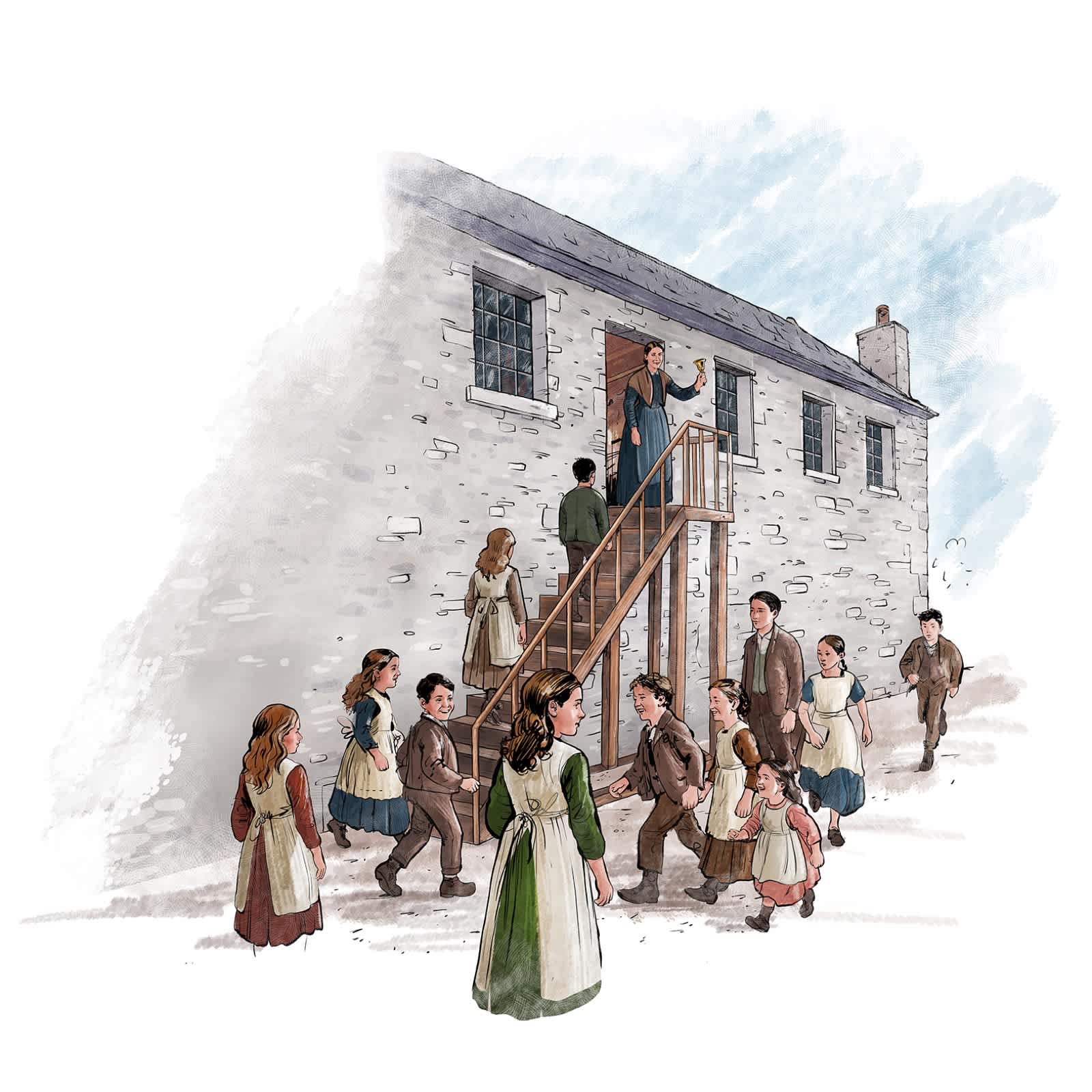
Until the 1800s, the role of women and children within military life was unofficial. Some women stayed at home while their men went to war or were posted abroad, but others followed their men. There was a recognition that the women who did accompany the men played important unofficial roles within the army – as laundresses, seamstresses, nurses and cooks.
During the 1800s, as the army became more professionalised, soldiers had to seek permission to get married – although not all of them did! A soldier had to serve more than seven years, to be of good character, and to have some savings before he would be considered eligible to marry. Despite it being recognised that married soldiers behaved better, only about six in every hundred were granted permission.
Married Quarters
Married quarters in a barracks were initially pretty basic – sometimes just a partitioned room – but they improved over time. Various buildings at these barracks served as married quarters over the years. When the schoolhouse was moved elsewhere the upstairs of this building was made into married quarters, as shown in a plan of the barracks in 1904. That plan also shows a larger block of married quarters in the north east corner, close to the Liffey. Between this building and the river lay a large drying ground, with a wash house, drying closet and ironing room close by. It also records that there were 196 unmarried men and 37 married. By 1914 these figures were 189 unmarried men and 24 married men.
Islandbridge Barracks appears in a number of birth announcements published by Dublin newspapers in the 1800s and 1900s. For example, in December 1878, the birth at the barracks of a baby boy to the wife of George Hill, a messman (a soldier who served at table in the officers’ mess) was announced in The Irish Times.
Schooling in the Army
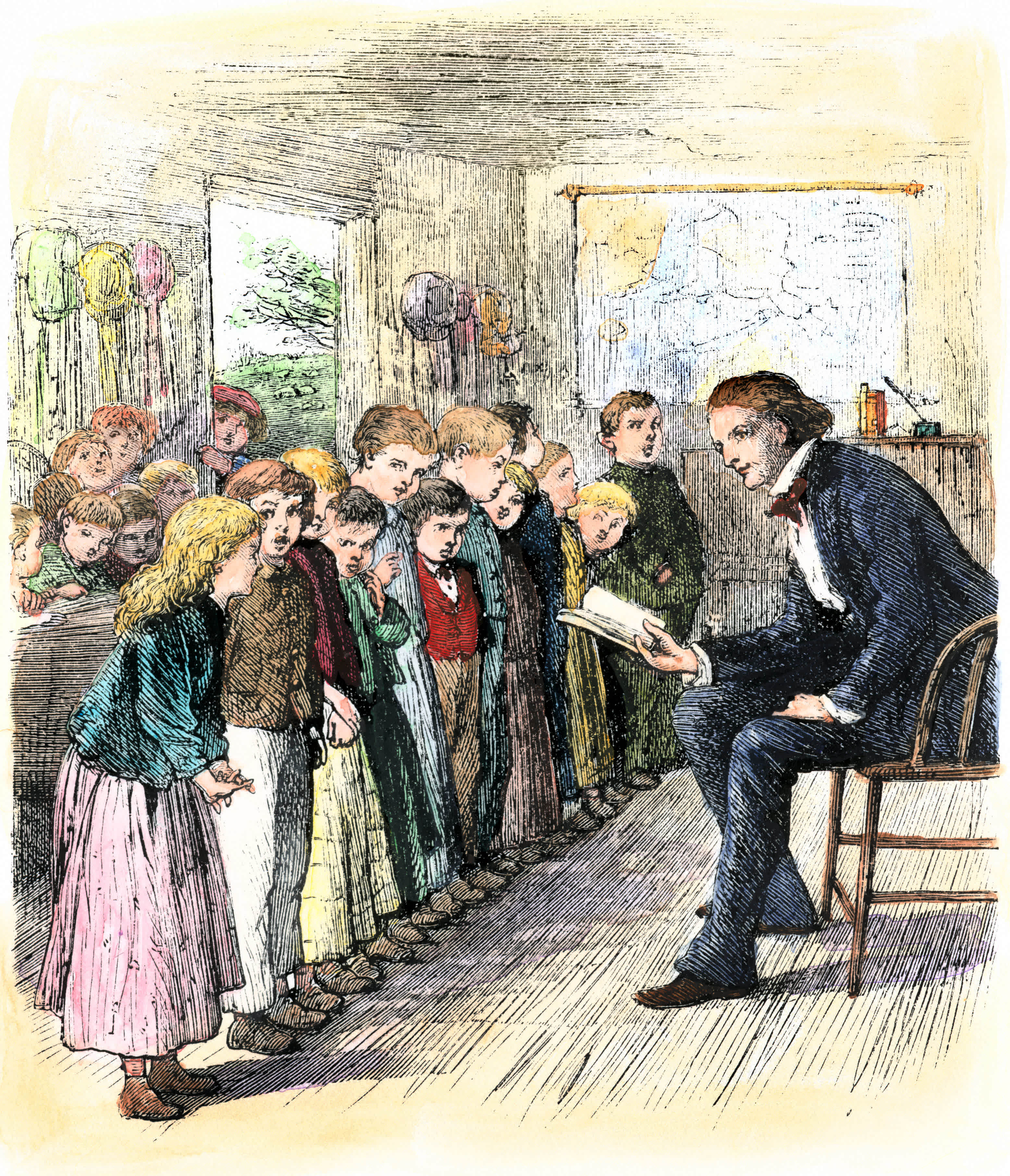
The presence of a schoolroom at Islandbridge Barracks in the 1830s is interesting, as it was only about 20 years earlier that the first regimental schools were set up. These were open to both the sons and daughters of soldiers, as well as to young soldiers who may have joined up without much education. They were taught reading, writing and basic maths by both male sergeant schoolmasters and female regimental wives. The latter would also teach sewing, knitting and domestic skills. A study by the War Office in 1837 showed fairly equal numbers of boys and girls attending these schools.
The 1904 plan of the barracks shows an infants’ school on the eastern side of Upper Square, with a children’s toilet block around the corner at the end of Long Lane Royal.
(North Wind Picture Archives/Alamy Stock Image)

Index >
- Stop 1 > The Officers’ Mess
- Stop 2 > The Schoolhouse
- Stop 3 > Colonnade
- Stop 4 > Peadar Clancy
- Stop 5 > Foley House & Laverty House
- Stop 6 > Tarrant House & Cambridge Sq.
- Stop 7 > Dickie Bird
- Stop 8 > Heuston
- Stop 9 > Cobbles
- Stop 10 > The River Liffey
- Stop 11 > Watch Tower
- Stop 12 > Stables, Saddlery, Armoury & Summerhouse
- Stop 13 > Long Lane Royal