
Foley House and Laverty House
5Until the 1850s, army regiments were responsible for supplying their soldiers with uniforms. In 1855, in response to reports of severe clothing shortages during the Crimean War, uniform supply became centralised. In 1904 an army clothing depot was established at Islandbridge Barracks. As well as storing and supplying military clothing, they also sold off surplus. In April 1917, a Dublin newspaper advertised the sale of 30,000 old army boots at the depot.
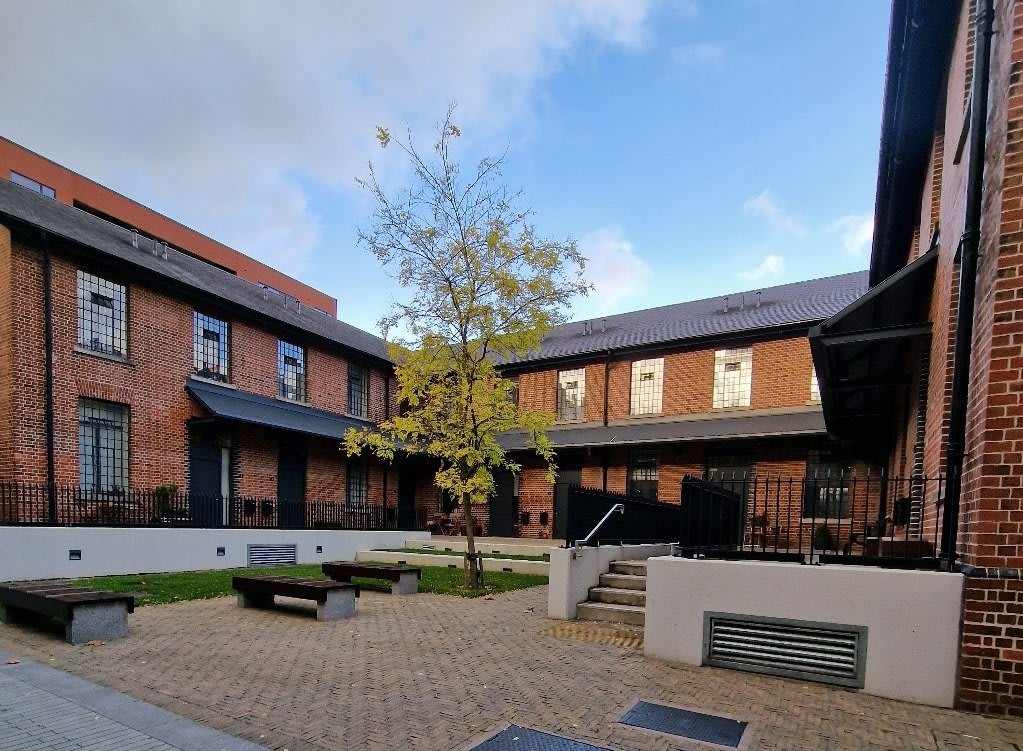
Foley House was built in 1900-1902 and Laverty House in 1910-1911. Each was named after the contractor who built it. The two buildings connected to each other by pedestrian bridges. Laverty House is an early example of cavity brick walls with a concrete frame, which became the standard building-type by the 1950s.
The buildings
Until the late 1800s the sites of these buildings were occupied by private houses, businesses and gardens fronting onto the South Circular Road. When the military acquired them, they were demolished and the land lay vacant until Foley House and then Laverty House were built in the early 1900s.
Foley House was built by Messrs. Foley & Son between April 1901 and September 1902, at a cost of £14,153. It was constructed of solid brick external walls with an internal steel frame supporting concrete floors, a more traditional, perhaps backward looking, late 1800s construction method.
Laverty House was completed by March 1911 by Messrs. H. Laverty & Sons and cost £3,976. It is an early example of cavity brick walls with a concrete frame and floors construction. This became the standard building-type by the 1950s, but in the 1910s it was a very forward-looking form of construction. The difference in prices between the two buildings was a reflection both of the fact that Foley was a larger building than Laverty but also in the cheaper cost of this new form of construction.
The original steel windows survive in both buildings, including the small hinged inward opening sash. As part of the development work all the windows were removed for cleaning and conservation and the original glazing bars were carefully cut and made into larger sashes to give improved ventilation for modern residential use.
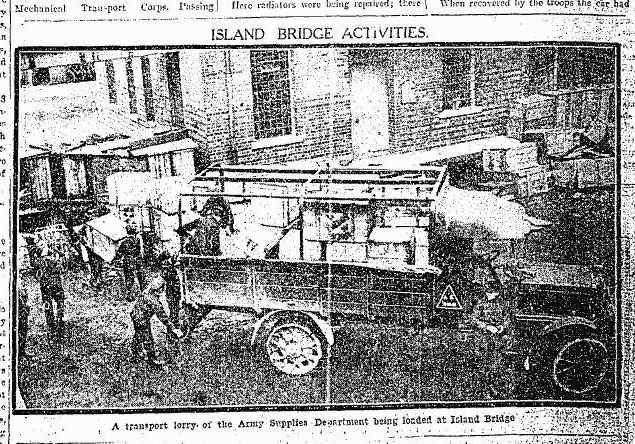
(With thanks to Irish Newspaper Archives and The Freeman’s Journal)
The Royal Army Clothing Department
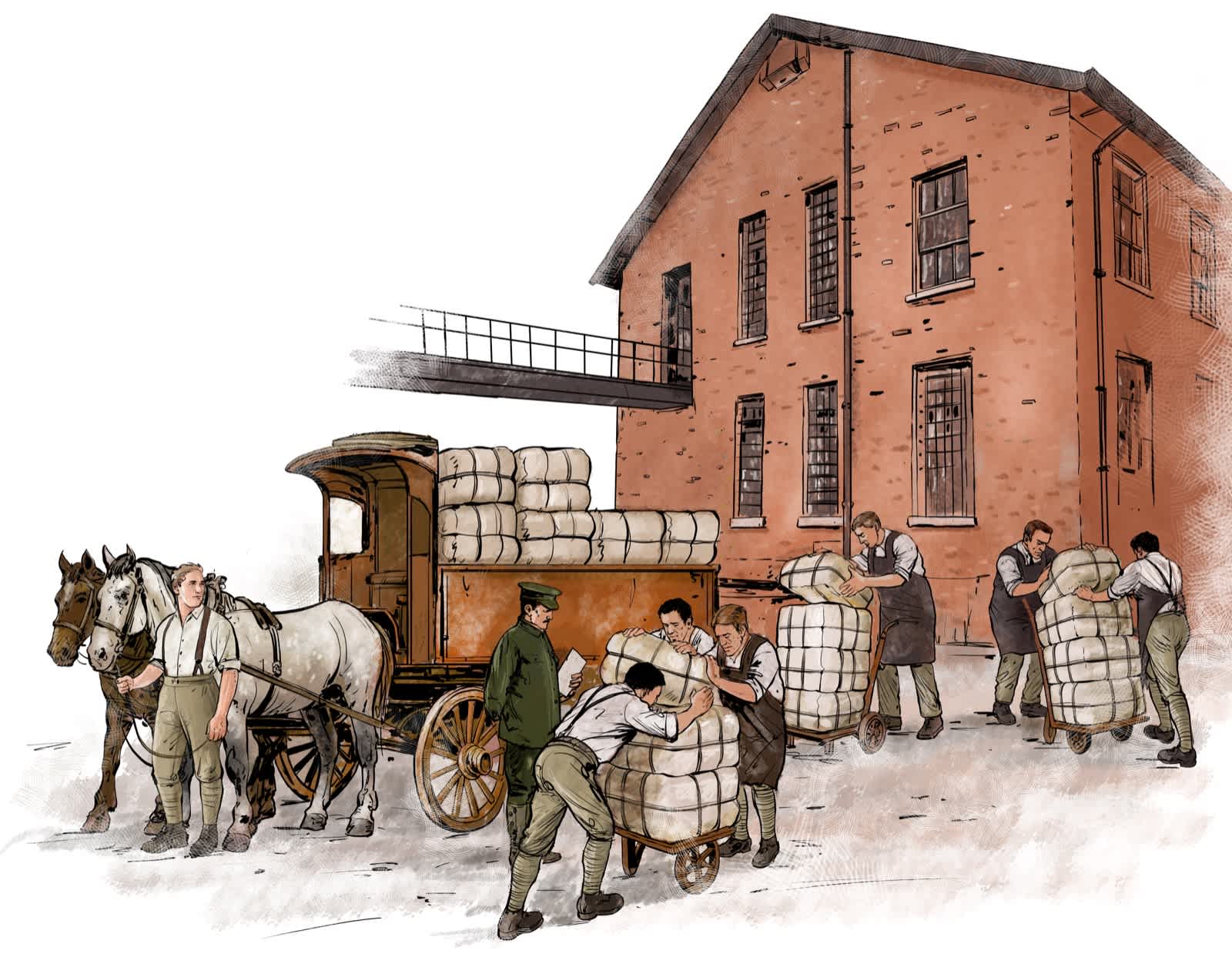
The Royal Army Clothing Department formed part of the Royal Army Ordnance Corps and was located in Pimlico, London, from 1859 until 1932. It included both a factory for making uniforms and other items of clothing and a warehouse for storing them. An army clothing depot was established at Islandbridge Barracks in 1904, one of four subsidiary depots in the British Isles. The Dublin depot stored and supplied military clothing and equipment to troops across Ireland.
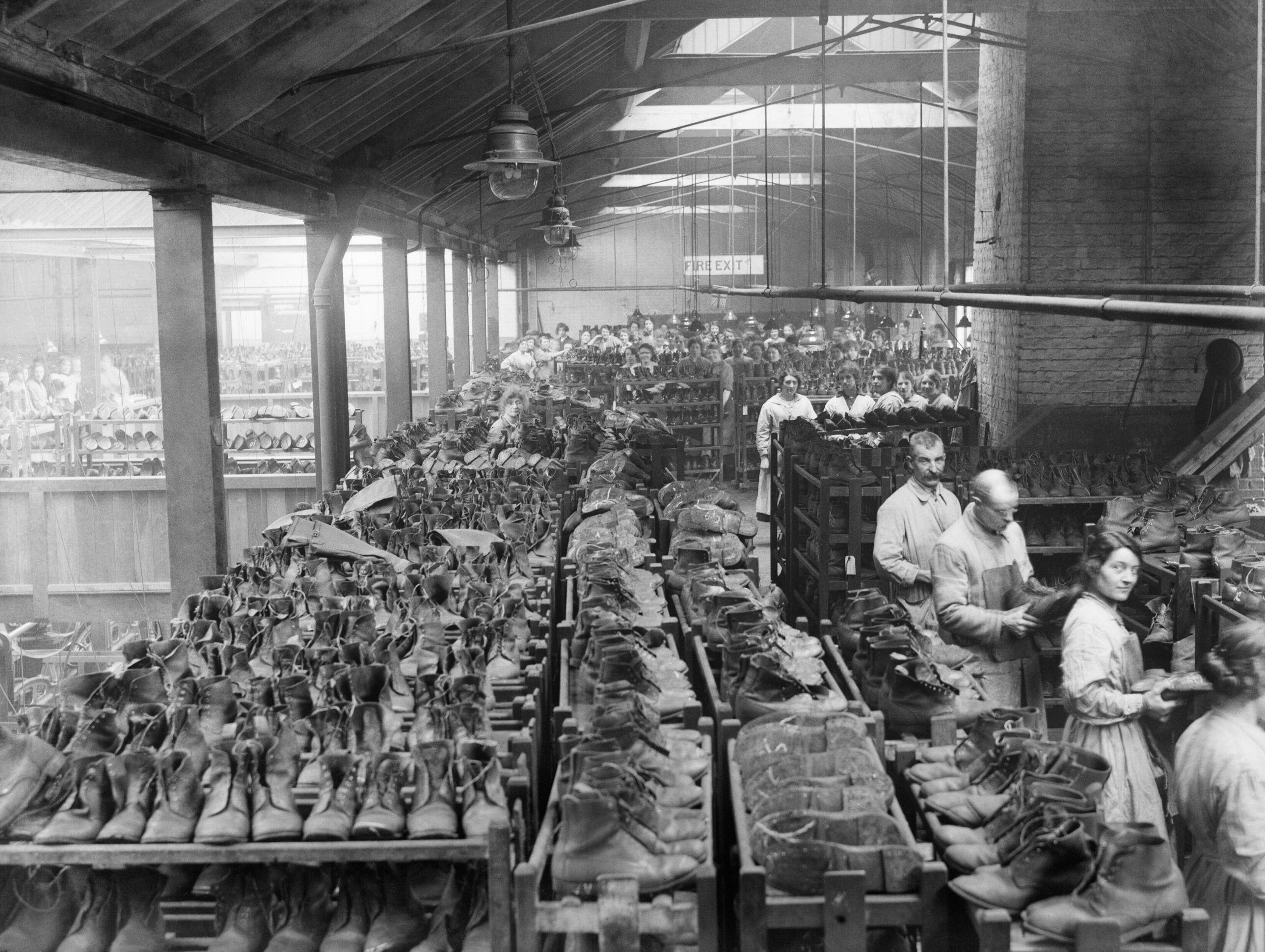
(piemags/archive/military/Alamy Stock Image)
After 1922
After the barracks was handed over to the Irish National Army in 1922, these buildings continued to be used as stores for clothing and other equipment. They were renamed as Group Stores 3 and 4 and were used to store and distribute ordnance equipment and clothing for both military and civilian personnel working in the Irish Defence Forces. Items such as helmets, webbing, tents and field cookers were stored and distributed from these buildings. In addition, there were tailors and boot repairers, as well as an embroidery machine for name tags and rank markings.
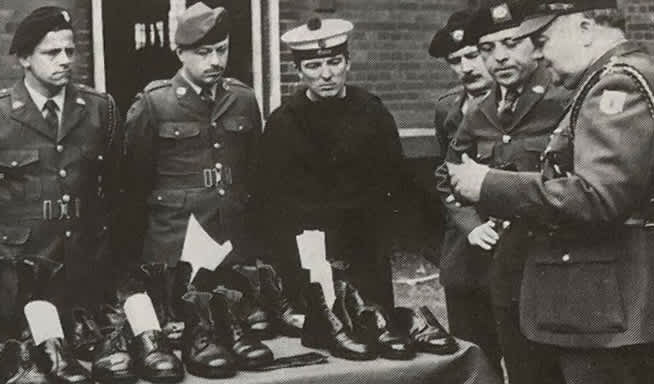
(Image supplied by Lt Col. Ray Lane)
Baling textiles
Military clothing and other textiles were brought to these buildings to be stored, cleaned, sorted and reissued. When Foley House was being cleared in 2016, ahead of the redevelopment, the bases of three huge iron baling machines were found still fixed into the floor of the building. These would have supported vertical balers, which were used to parcel up old clothing, uniforms, canvas tents, etc, into huge bales for ease of transport.
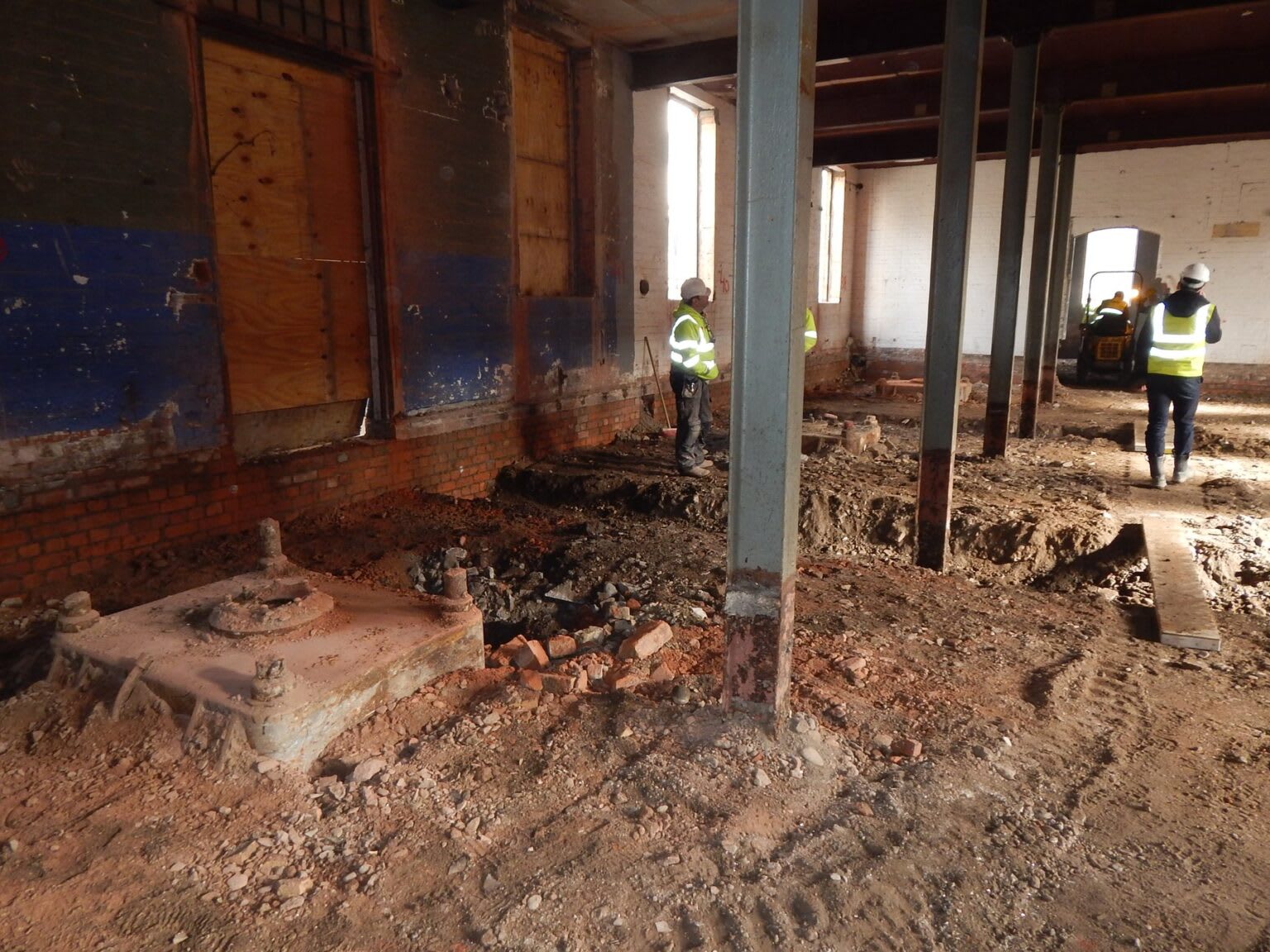
(Image by Alistair Lindsay)
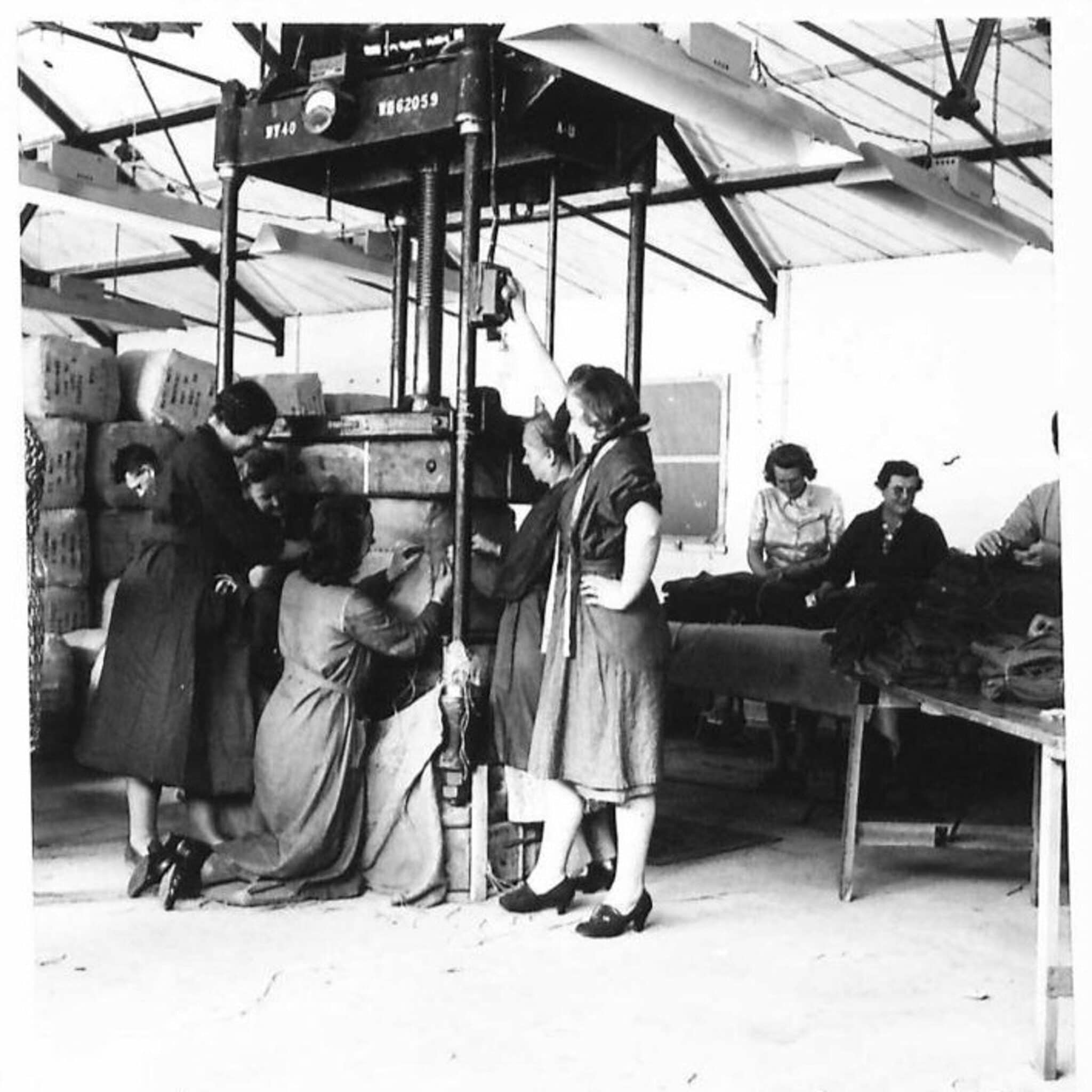
(piemags/ww2archive/Alamy Stock Image)

Index >
- Stop 1 > The Officers’ Mess
- Stop 2 > The Schoolhouse
- Stop 3 > Colonnade
- Stop 4 > Peadar Clancy
- Stop 5 > Foley House & Laverty House
- Stop 6 > Tarrant House & Cambridge Sq.
- Stop 7 > Dickie Bird
- Stop 8 > Heuston
- Stop 9 > Cobbles
- Stop 10 > The River Liffey
- Stop 11 > Watch Tower
- Stop 12 > Stables, Saddlery, Armoury & Summerhouse
- Stop 13 > Long Lane Royal